Glimpses of growth season
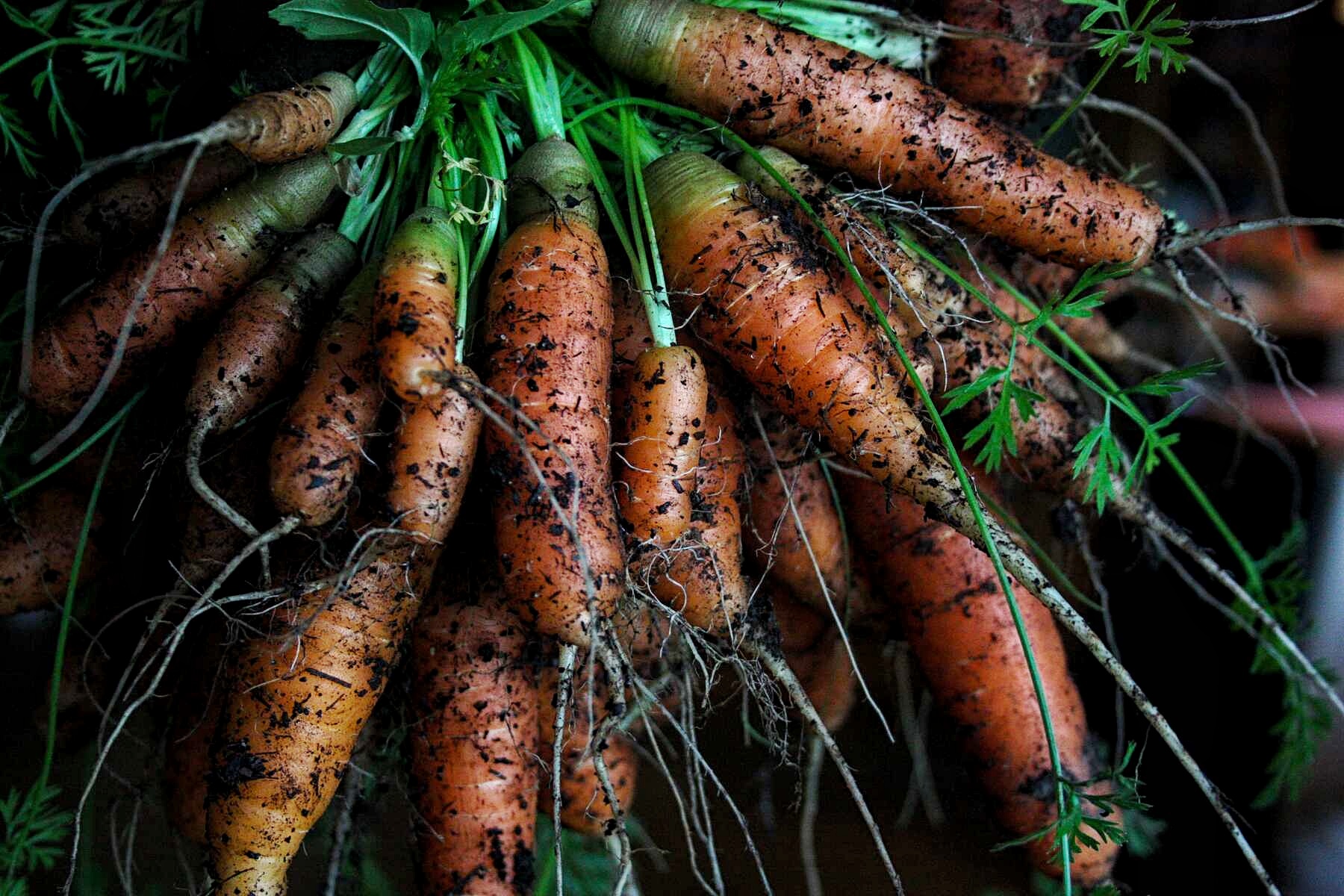
For the three last summers we have been growing our own vegetables. It has been both fun and fulfilling. The learning curve is steep when you don't have any previous experience, and there has been a lot of learning-by-doing.
In general, it doesn't require too much work to grow a few things. The biggest hurdle is having enough space and soil, which we have plenty of. Finding time for weeding, though, is not always easy, and the crop quickly shows whether you have been diligent or not.
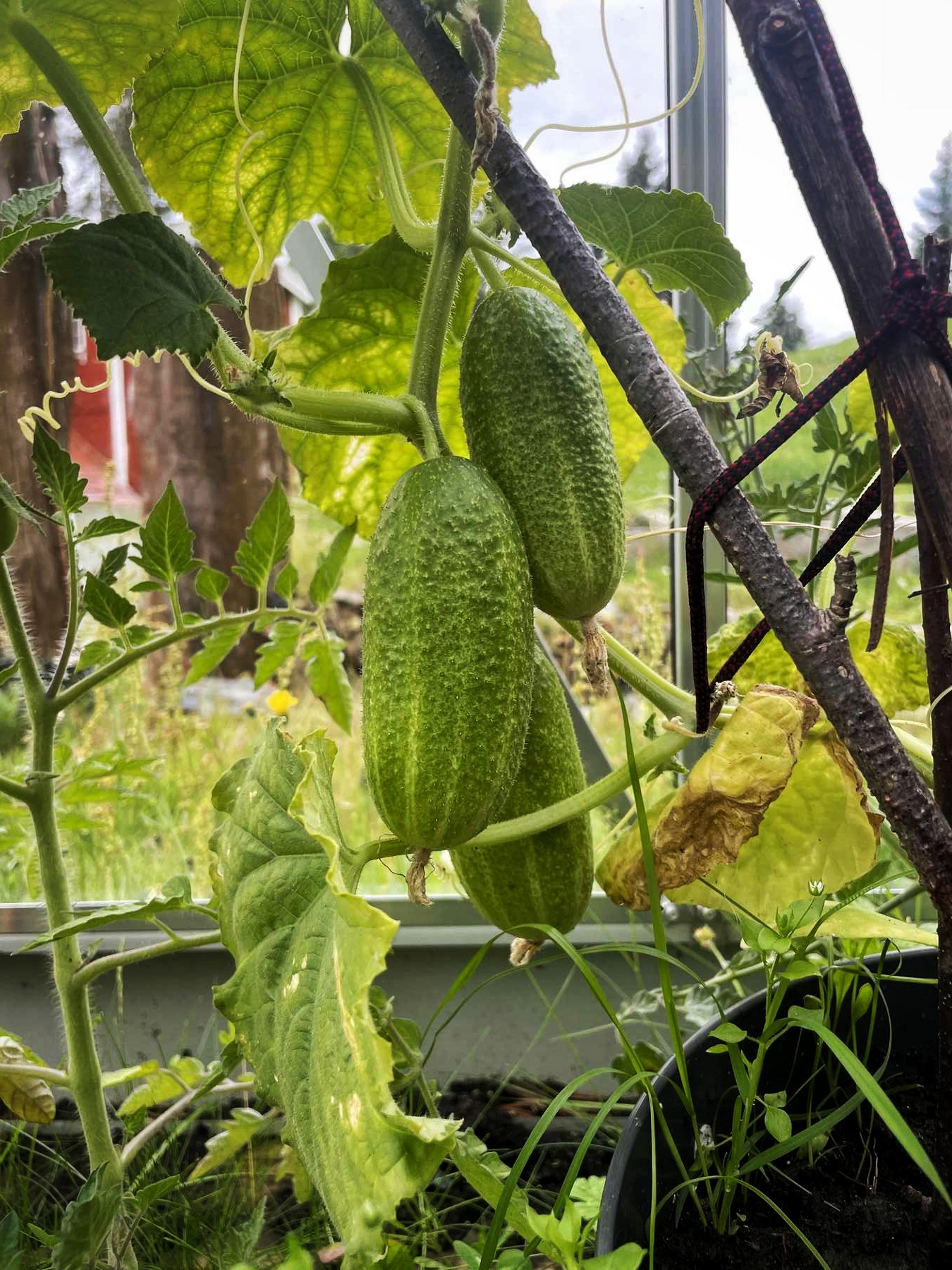
We have in total tried around 20 different types of vegetables, and we are now beginning to converge on the types that both have high nutritional density, high crop density, require less work to grow, and that we actually like to eat. Cucumbers, for example, are very tasty and easy to grow, but the plants don't provide that much yield, so now we prioritise something else.
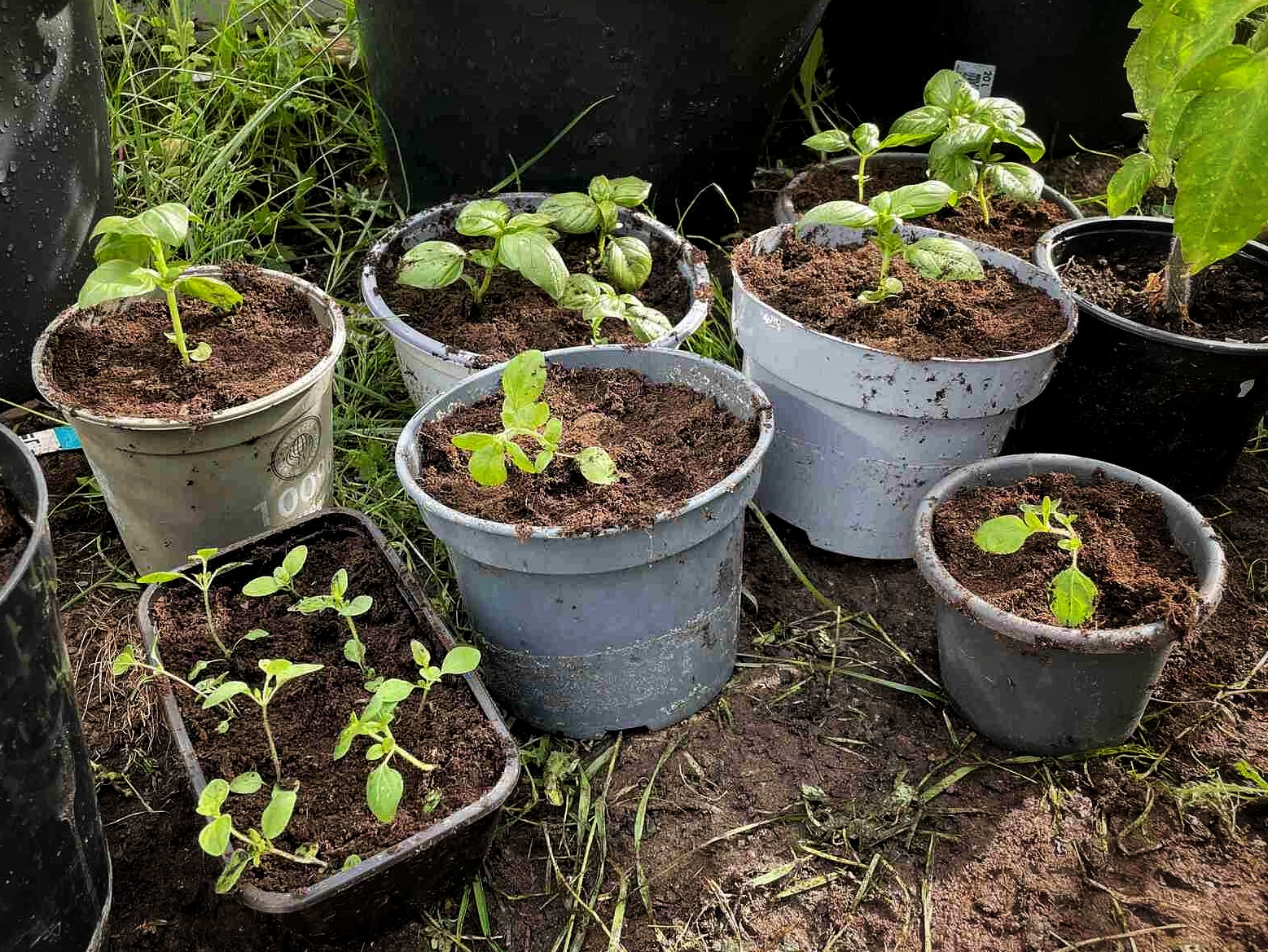
We're practicing organic farming, which means that we are relying on crop rotation for improved nutrition in the soil and to reduce the risk of pests. Manual weeding is also required, but our efforts could definitely be improved in that regard.
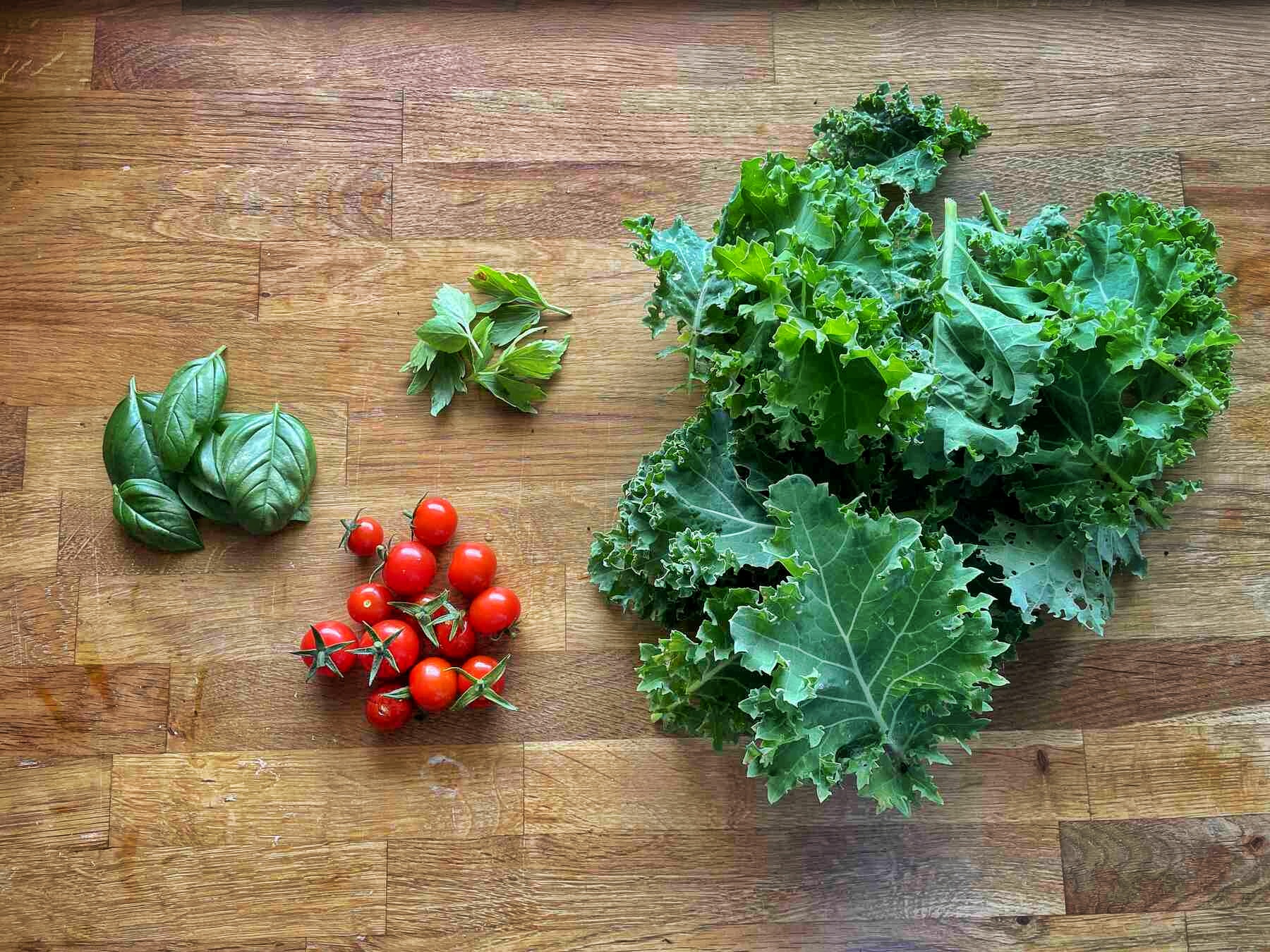
The motivation behind it is partly to become more self-reliant, which serves multiple purposes. First of all, it can save us money, since we buy less food and take fewer trips to the store. In the beginning, I was keeping careful accounting of how much food we produced in order to keep track of the economic aspect. After a while, however, I got tired of the book-keeping. It is great to simply go outside your house and pick what you need for dinner, and I didn't want to make it a chore by having to weigh every single vegetable.
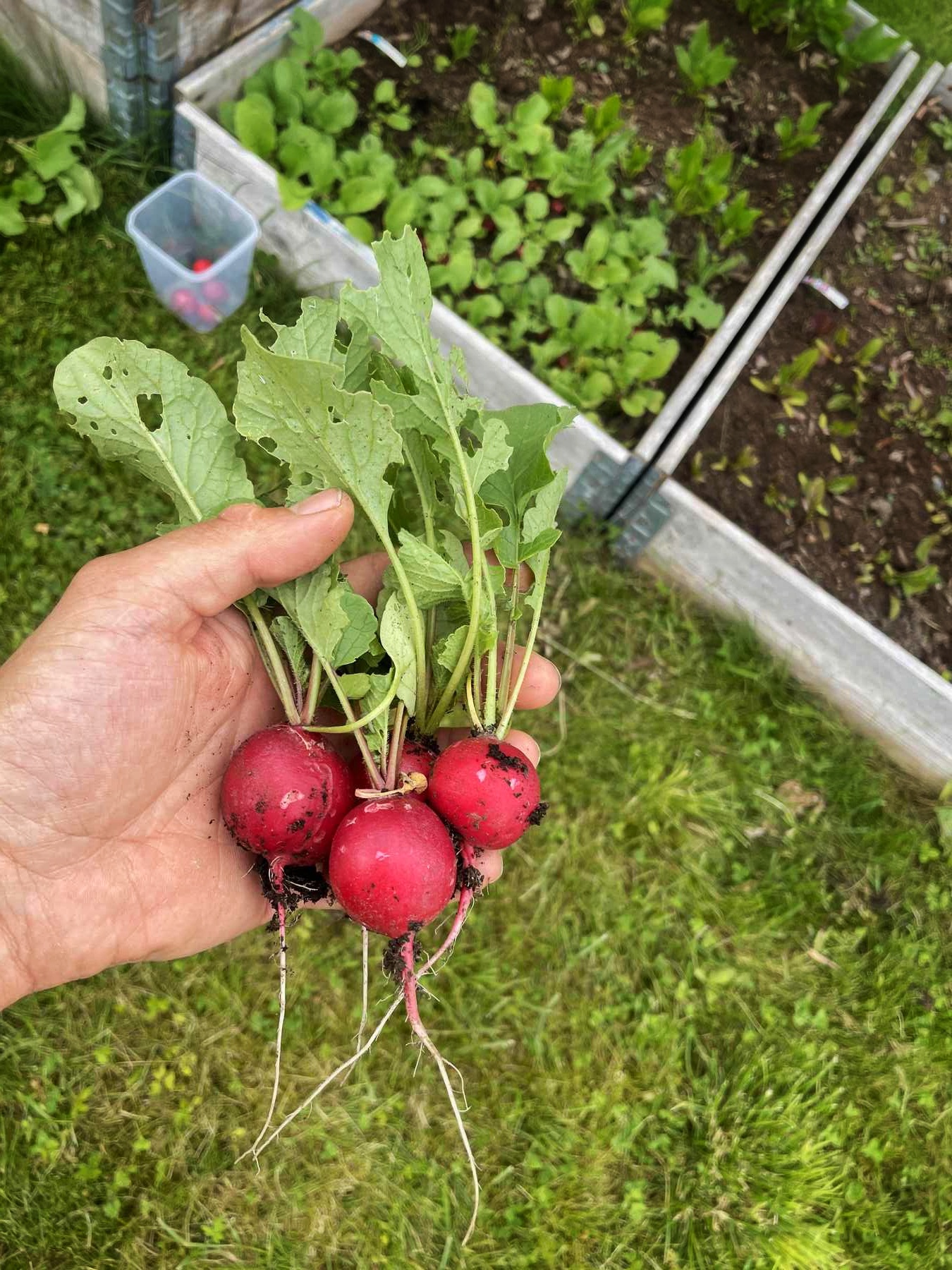
Saving money isn't the core motivation; it is more about working with something closer to our basic needs. It is a cliché, but it actually feels more meaningful than a lot of other, more superficial activities that are so common in modern life. It also provides a degree of resilience against food shortages. Even though we don't produce large quanta, we're building up the means and knowledge to produce more if needed.
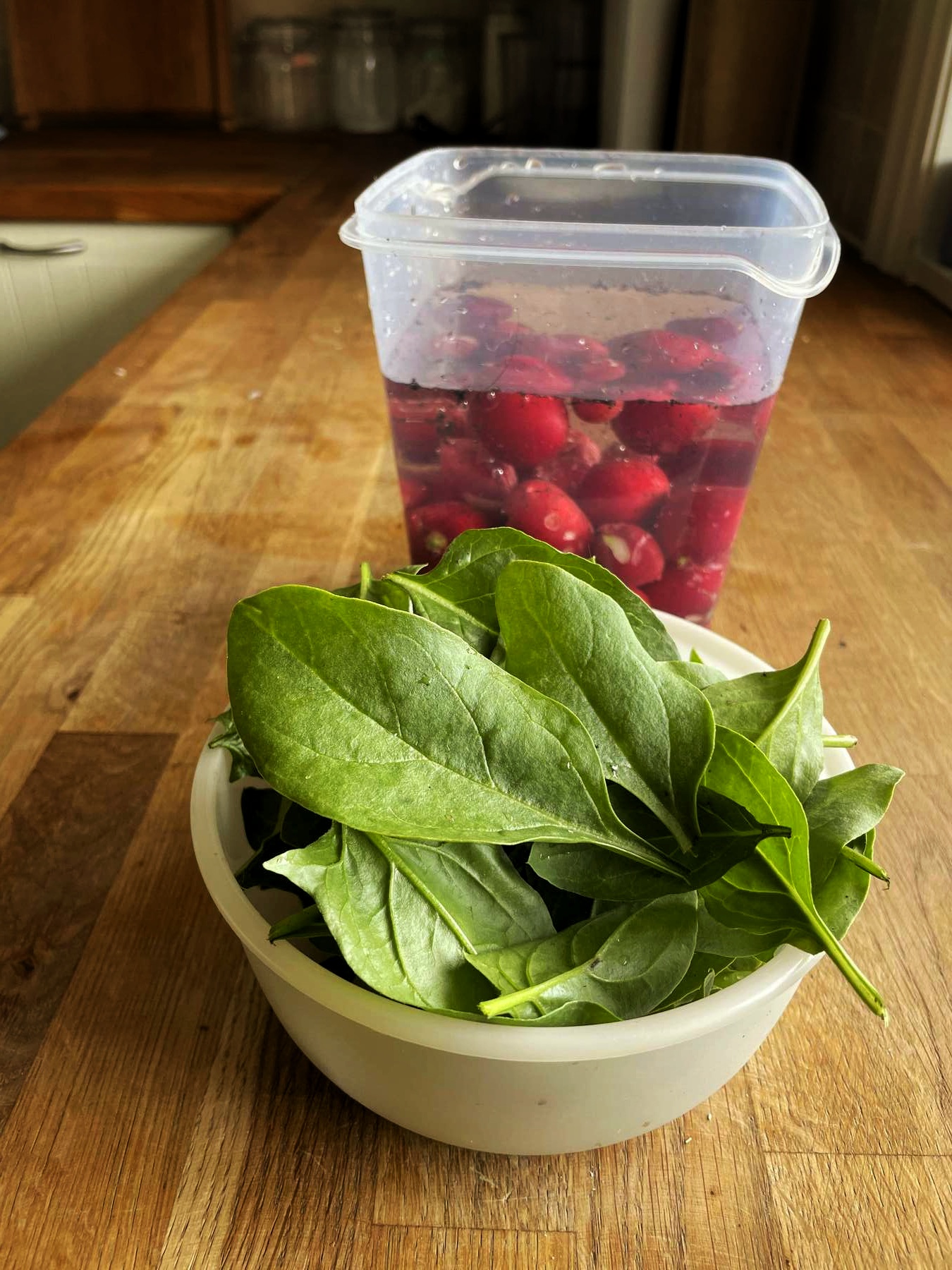
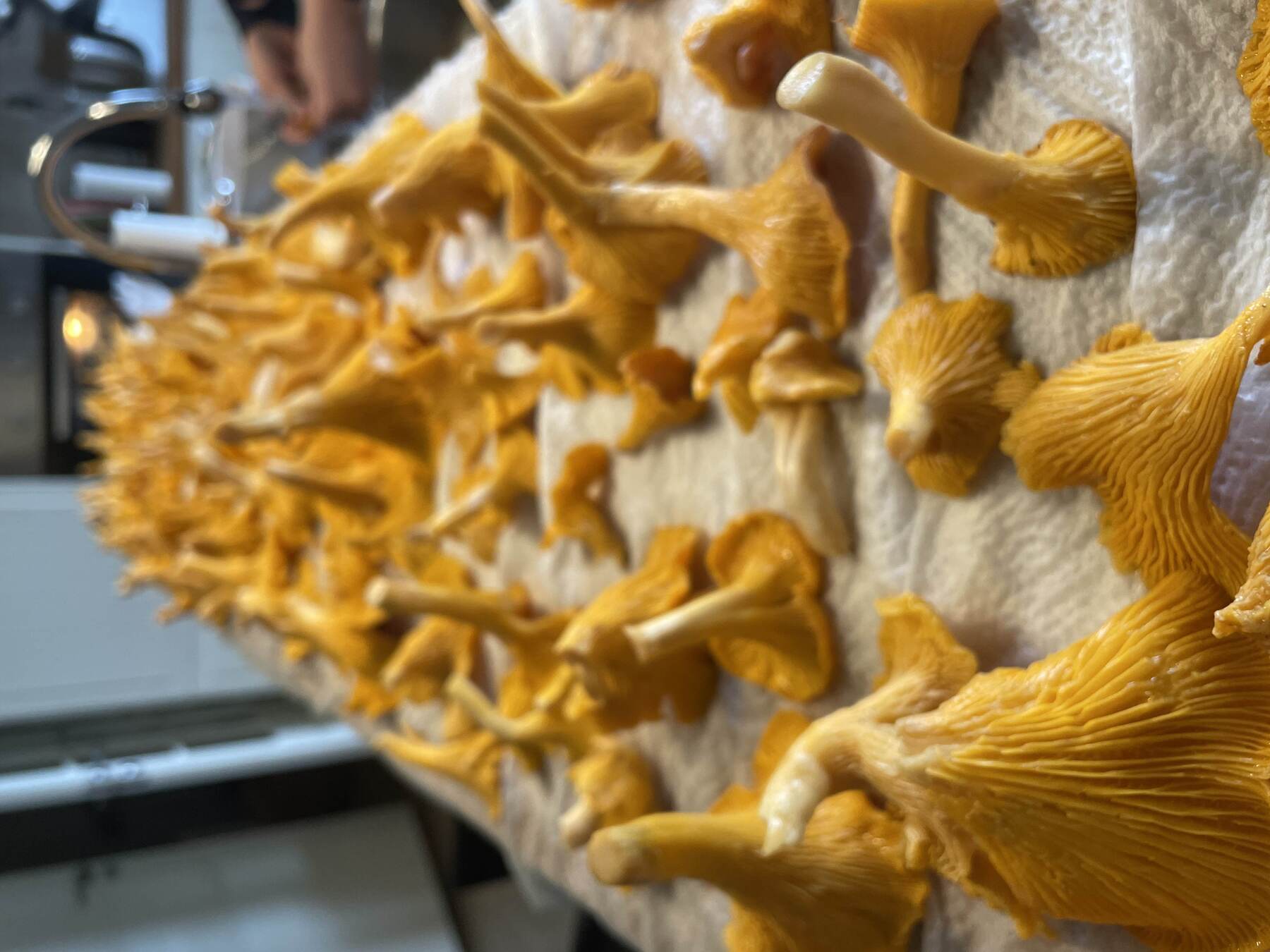
In addition to our own crops, we harvest food directly from nature. Eating chantarell is one of autumn's highlights.
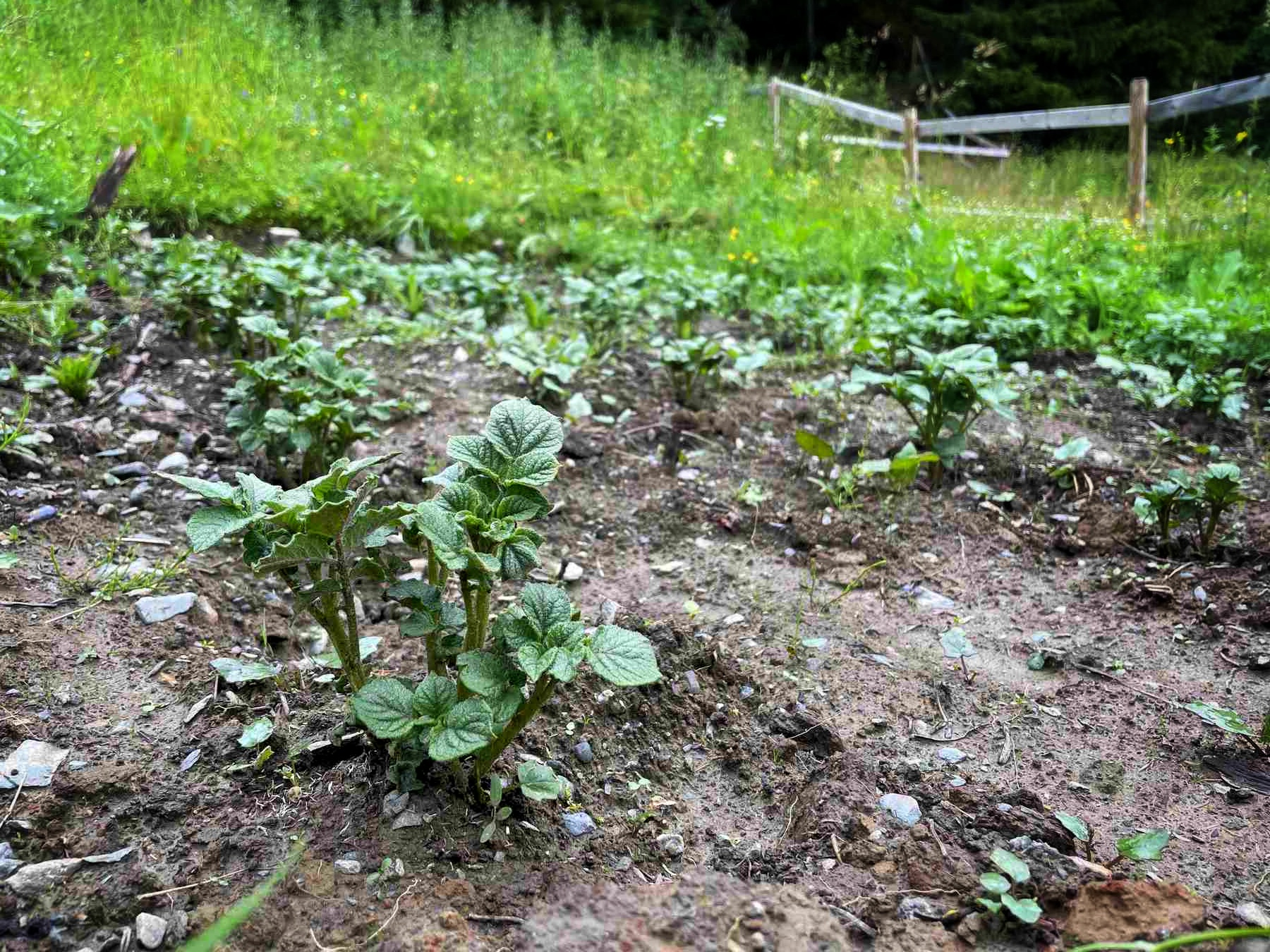
The largest crop we've had is by far potatoes. It is famous for its many uses, and it is both easy to store and gives plenty of calories. They have given us a stable supply of food, and it's a bonus that we can easily source our own seed potatoes for the following year.
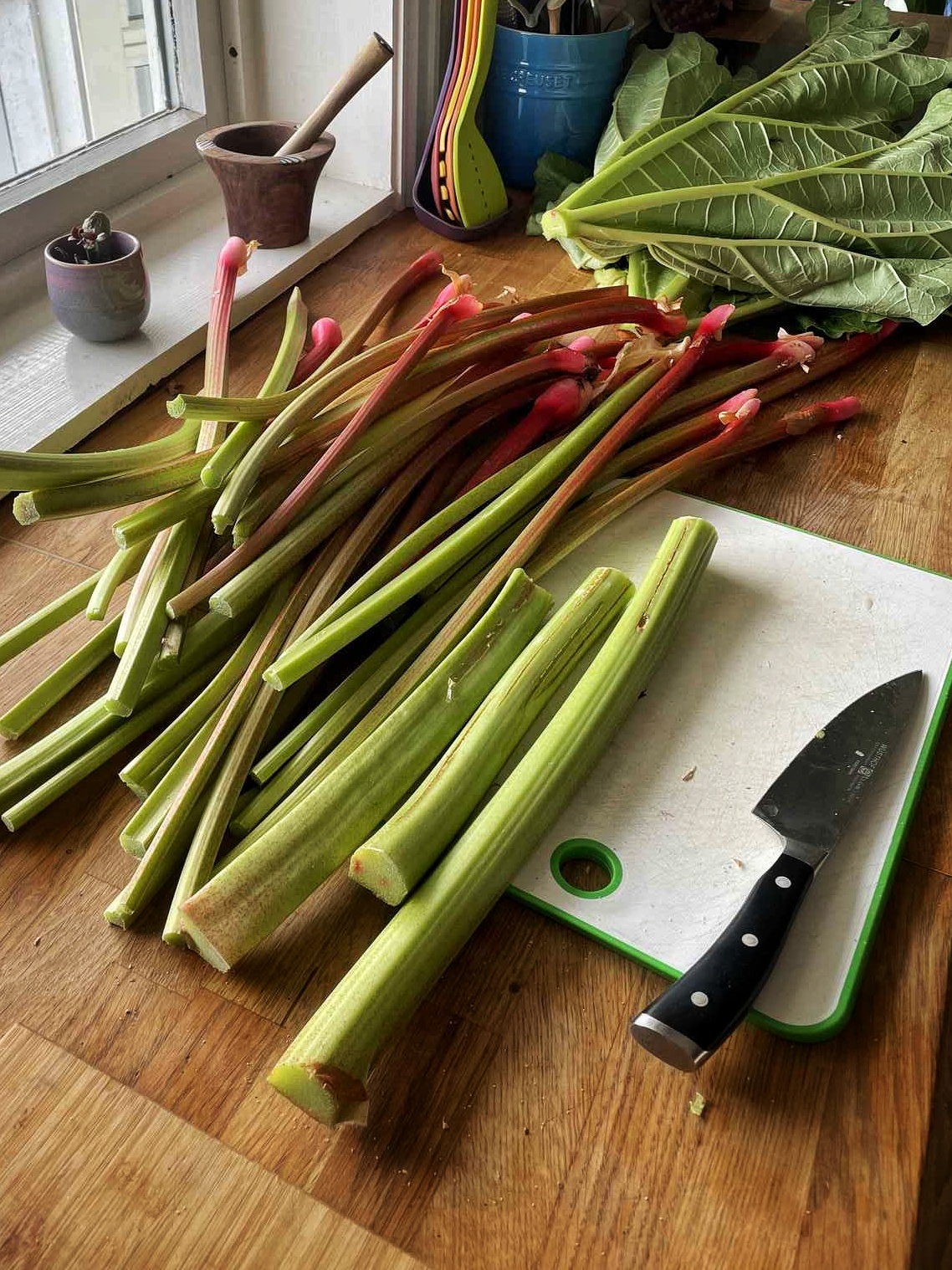
We are getting more rhubarb that we can eat, with almost zero work. We use it for jam and cordial.
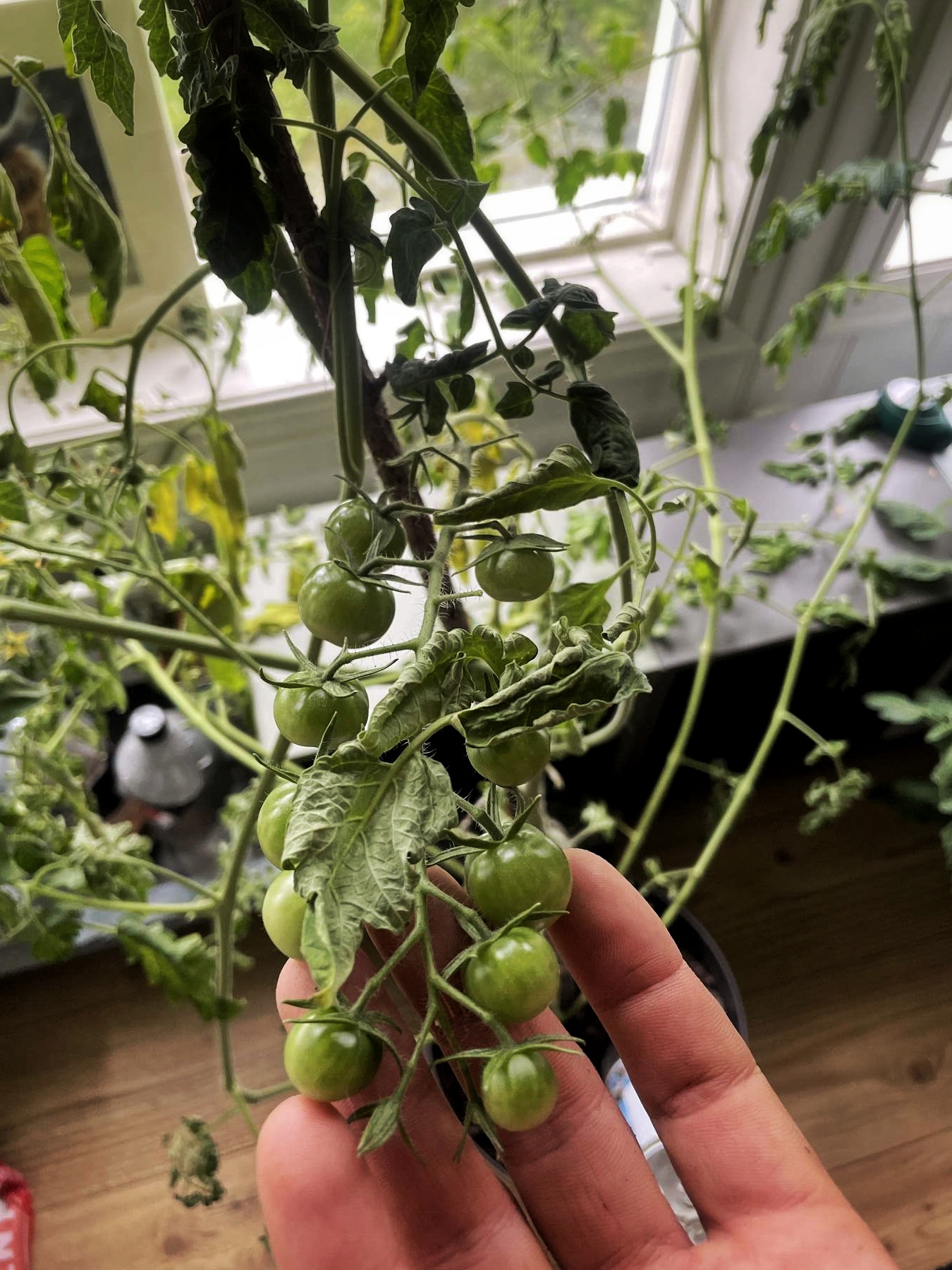
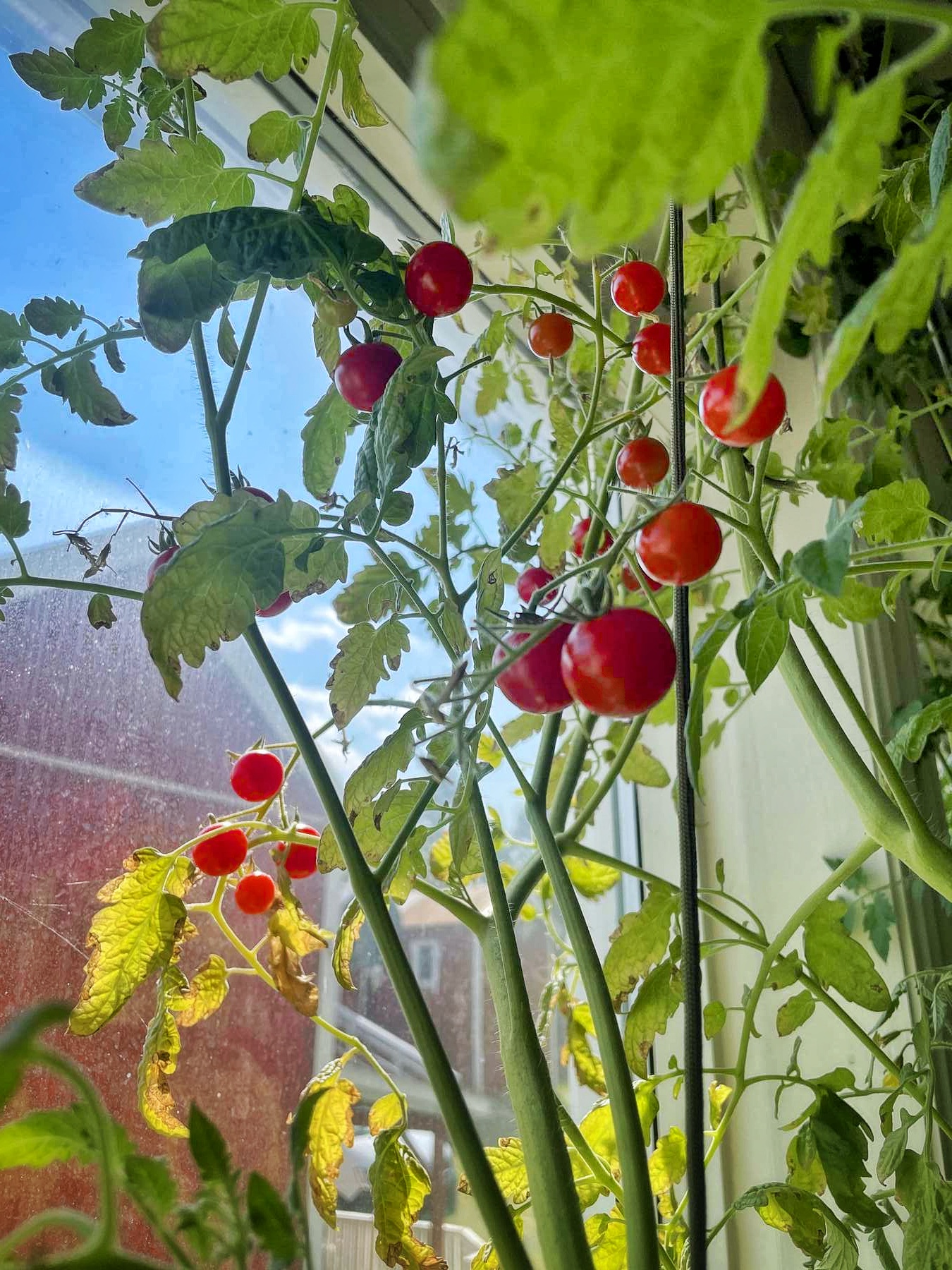
In our first year of self-grown vegetables, we had about 40-50 tomato plants, placed both inside our house and in a greenhouse. They taste was amazing; truly much better than anything you get in the store. Even so, they require too much care and work compared to the amount of food you get from them, so we have scaled down the tomato production.
The whole endevour can be a bit taxing at times, especially when time is short and I see the crops getting overgrown with weeds. I feel a small weight of responsibility that grows from the moment the seed is put into the soil, and the duty of honoring the commitment we make is accompanied by a wish to avoid wasting hard-earned resoures.
But of course, we still have the luxury of going to store and buy exactly what we want almost any time of the year. I'm not sure of it's a healthy luxury, though.